

Missing one tooth, several teeth, or a full arch of teeth can affect the way you eat, speak, and feel about your smile. At Advances in Dentistry, Dr. Corbyn Rhodes, Dr. Angela Windsor, and our team provide dental implants in Oklahoma City, Oklahoma, to help patients replace missing teeth with a stable, natural-looking solution.
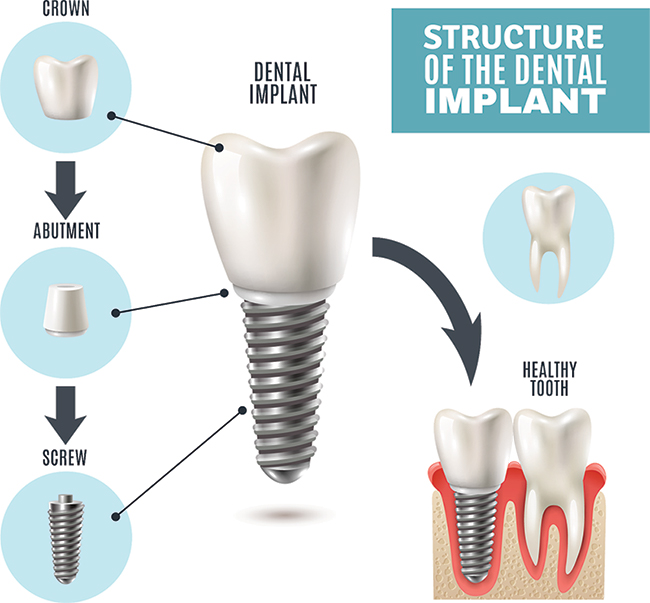
Dental implants are designed to replace missing tooth roots and can support a dental crown, bridge, or implant-supported denture. Because implants are anchored in the jawbone, they can provide strong support for chewing and long-term tooth replacement for appropriate candidates.
Call 405-751-6996 to schedule a free dental implant consultation and find out whether dental implants may be right for you.
Dental Implant Dentist in Oklahoma City, Oklahoma
Dental implants can be used in several ways depending on how many teeth are missing and what type of restoration you need.
At Advances in Dentistry, our dentists evaluate your mouth, remaining teeth, gums, bone support, bite, and treatment goals before recommending an implant solution. Depending on your needs, treatment may involve a single implant crown, an implant-supported bridge, or an implant-supported denture.
Dr. Corbyn Rhodes has more than 30 years of dental experience and has placed thousands of dental implants. Our team provides both implant placement and restorative treatment so many patients can complete their care in one office.
Request a free dental implant consultation in Oklahoma City, Oklahoma.
Benefits of Dental Implants
Dental implants are a widely used option for replacing missing teeth because they are designed to restore both appearance and function.
Potential benefits include:
- Long-term tooth replacement.
When an implant integrates successfully with the jawbone and is cared for with good oral hygiene and regular dental visits, it can provide long-lasting support for a replacement tooth. - No tooth decay in the implant itself.
The implant material cannot develop a cavity like a natural tooth. However, the gums and tissues around an implant still require regular brushing, flossing, professional cleanings, and dental care. - Improved chewing stability.
Because dental implants are anchored in the jawbone, they can provide strong support when eating and may offer greater stability than some removable tooth-replacement options. - Support for the jawbone.
Tooth loss can lead to changes in the jawbone over time. Dental implants stimulate the surrounding bone and may help reduce bone loss in the area of the missing tooth. - Natural-looking tooth replacement.
Implant-supported crowns, bridges, and dentures can be designed to complement your smile and facial appearance.
If missing teeth are affecting your comfort, chewing ability, or confidence, contact our team to learn whether dental implants may be an appropriate option.
Dental Implant Options
Single-Tooth Dental Implants
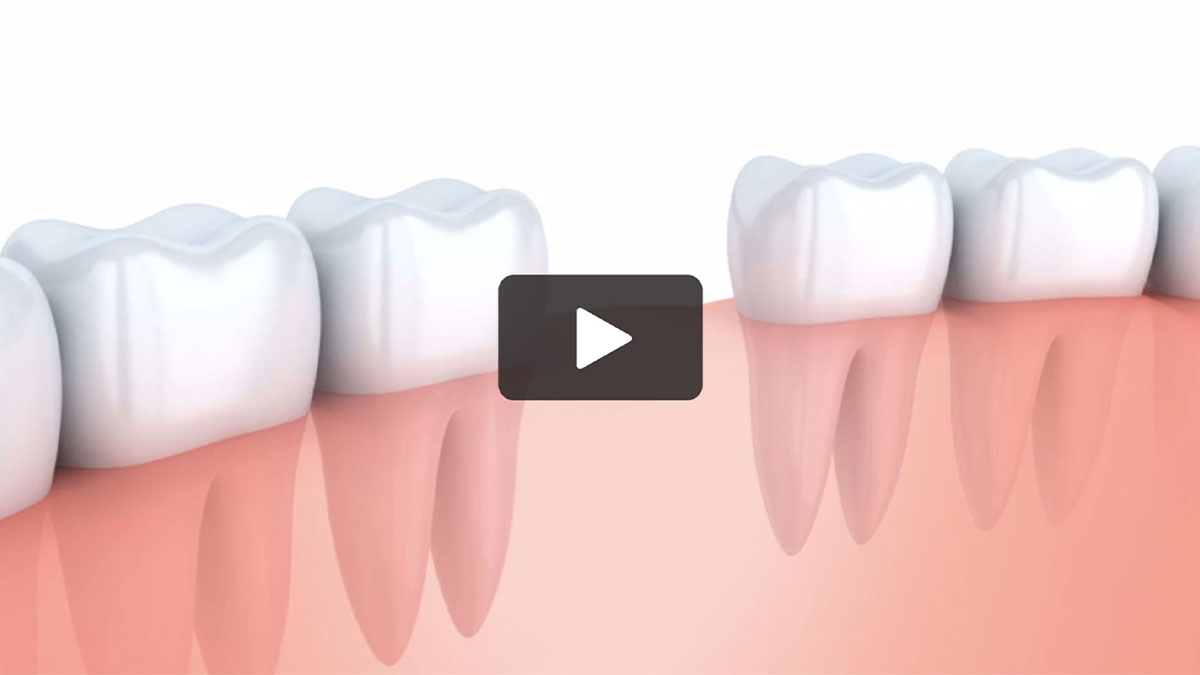
A single-tooth dental implant can replace one missing tooth without relying on neighboring teeth for support.
The implant is placed in the jawbone where the missing tooth root was located. After the implant has integrated with the bone, a connector called an abutment is attached. A custom dental crown is then made to fit over the abutment and complete the replacement tooth.
The implant, abutment, and crown remain in your mouth and are designed to function and appear similar to a natural tooth.
Treatment typically involves several stages:
- Placement of the dental implant
- Healing and integration with the jawbone
- Placement of the abutment
- Placement of the custom dental crown
Dental Implants for Multiple Missing Teeth
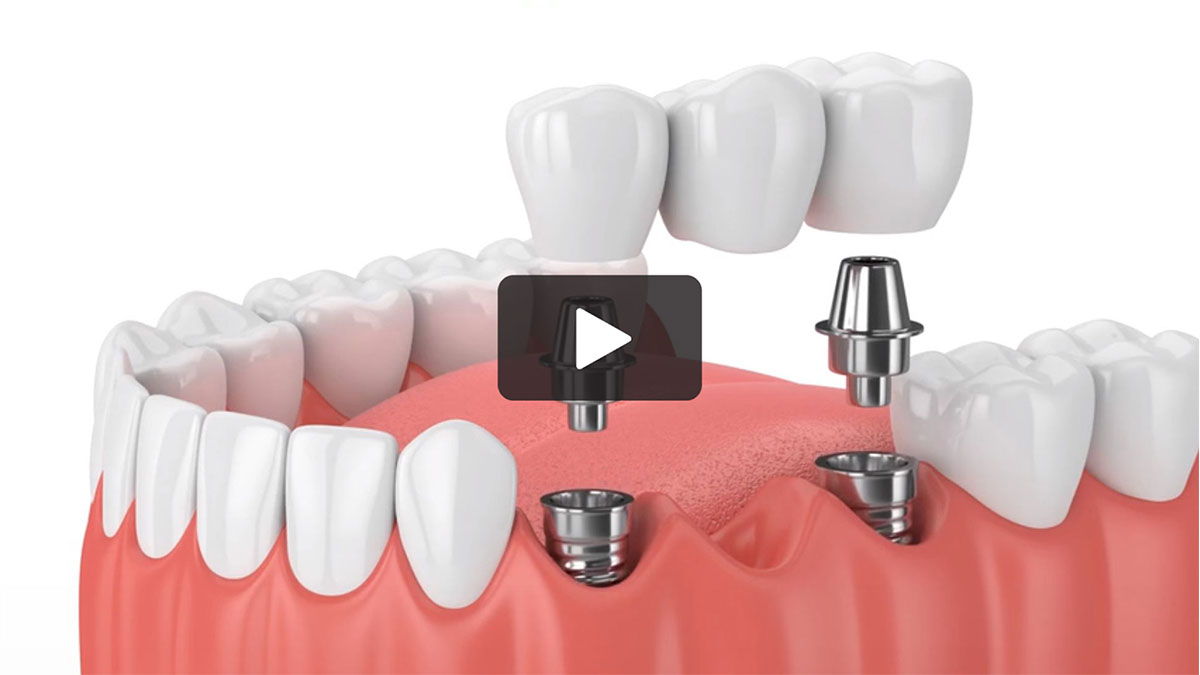
If you are missing several teeth, dental implants may be used to support individual replacement teeth or an implant-supported bridge.
An implant bridge uses dental implants to support a connected group of replacement teeth. This can allow several missing teeth to be replaced without placing an implant for every individual tooth.
The number and location of implants needed depend on the number of missing teeth, bone support, bite, treatment goals, and other clinical factors.
Once the implants have healed and integrated with the jawbone, the final bridge is attached to the implants to create a stable, non-removable tooth replacement.
Dental Implants for All Missing Teeth
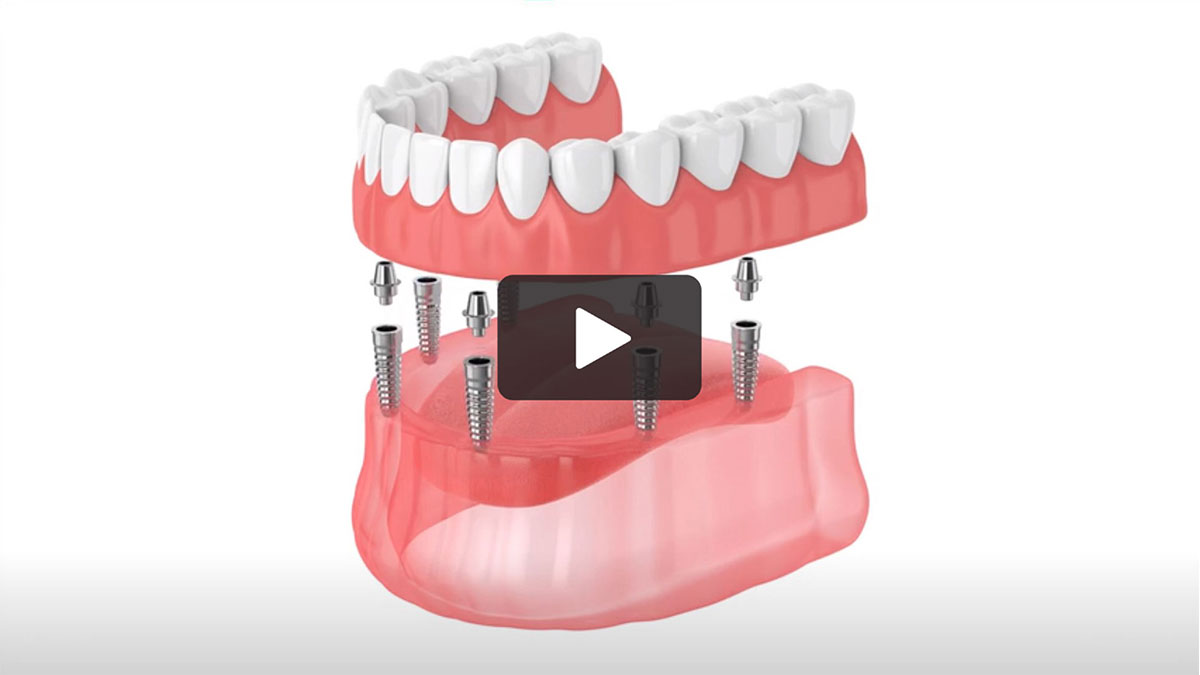
Dental implants can also be used to support replacement teeth when all of the teeth in the upper jaw, lower jaw, or both are missing.
For some patients, several implants can be placed to help stabilize a removable or fixed full-arch restoration. This may provide greater stability than a traditional removable denture.
Implant-supported dentures may help reduce movement and slipping while improving confidence when chewing, speaking, and smiling.
The number of implants and type of restoration depend on your bone support, oral health, goals, and treatment plan.
Patients interested in a full-arch fixed implant solution can also learn more about our All-on-4 dental implant options.
If you are considering a removable denture or want to compare your options, visit our dentures page.
How Dental Implants Are Placed
Your dental implant treatment begins with a consultation. During this visit, Dr. Rhodes or Dr. Windsor will discuss your concerns, examine your mouth, and learn about your goals for replacing missing teeth.
Diagnostic imaging may be used to evaluate the jawbone and determine whether there is enough bone to support an implant. Some patients may need additional treatment, such as tooth extraction or bone grafting, before implant placement.
During implant placement, the area is thoroughly numbed and the dental implant is positioned in the jawbone. Patients who are anxious about dental treatment can also ask about sedation dentistry options.
After placement, the implant is typically given time to heal and integrate with the surrounding bone. This process is called osseointegration.
Once healing is complete, an abutment and the appropriate restoration — such as a crown, bridge, or denture — can be attached to the implant.
Because Advances in Dentistry provides both implant placement and restorative dentistry, many patients can complete the dental implant process without having to coordinate treatment between multiple dental offices.
Am I a Candidate for Dental Implants?
Dental implants may be an option if you are missing one or more teeth and have healthy enough gums and sufficient jawbone to support an implant.
Even if you have experienced bone loss, dental implants may still be possible. Some patients may first need bone grafting or another preparatory procedure.
Factors our dentists may consider include:
- The number and location of missing teeth
- Jawbone quantity and quality
- Gum health
- The condition of your remaining teeth
- Your bite
- Your overall treatment goals
The best way to determine whether you are a candidate is to schedule an evaluation with Dr. Corbyn Rhodes or Dr. Angela Windsor.
How Long Does the Dental Implant Process Take?
The length of dental implant treatment varies from patient to patient.
After an implant is placed, it commonly needs time to integrate with the jawbone before the final restoration is attached. Patients who need extractions, bone grafting, or other preparatory treatment may require additional healing time.
During your consultation, our team can explain the expected stages of treatment based on your individual needs.
The Value of Dental Implants
Dental implants can represent a significant investment, but they are designed to provide durable support for replacement teeth.
For many patients, the value of implant treatment extends beyond replacing a missing tooth. Dental implants may improve chewing stability, support the jawbone, and provide a replacement that does not need to be removed for everyday eating or speaking.
For patients who currently struggle with loose dentures or partial dentures, implant support may also provide greater stability and comfort.
What Do Dental Implants Cost?
The cost of dental implants varies because treatment is customized for each patient.
Factors that may affect the cost include:
- The number of dental implants needed
- The location of the missing teeth
- The amount and quality of available jawbone
- Whether bone grafting or tooth extraction is needed
- The type of final restoration
- Whether the implants will support a crown, bridge, or denture
Our team can review your treatment plan and expected costs after evaluating your mouth and determining which implant option may be appropriate.
We offer multiple payment options and payment plans and can discuss available financial arrangements with you.
Call 405-751-6996 to schedule a free consultation and receive personalized information about your dental implant options.
Dental Implants vs. Other Tooth-Replacement Options
Dental implants are one way to replace missing teeth, but they are not the only option.
Depending on your oral health, the number of missing teeth, your budget, and your goals, our dentists may also discuss:
If tooth loss has also affected the appearance of your smile, we can discuss how implant treatment may fit into your broader cosmetic dentistry goals.
Frequently Asked Questions About Dental Implants in Oklahoma City, Oklahoma
Can I be sedated for dental implants?
Yes. We offer sedation dentistry options for patients who would like additional help feeling comfortable during dental treatment.
The type of sedation or anesthesia appropriate for you can be discussed during your consultation.
Is it painful to get a dental implant?
The treatment area is numbed before the implant is placed. After the procedure, temporary soreness or discomfort may occur as the area heals.
Our team will explain what to expect after treatment and provide post-operative instructions based on your procedure.
Does insurance cover dental implants?
Dental insurance coverage for implants varies by plan. Some plans may provide benefits toward part of the implant procedure or the final restoration.
Our team can review your available dental benefits and help you understand what your plan may cover.
How long do dental implants last?
Dental implants are designed to provide long-term support. Their longevity depends on factors such as oral hygiene, gum health, regular dental care, bone support, and individual health factors.
The crown, bridge, or denture attached to an implant may require maintenance or replacement separately from the implant itself over time.
Should I get dental implants?
Dental implants may be an appropriate option for patients who want to replace missing teeth with a stable, non-removable or implant-supported solution.
A consultation is necessary to determine whether implants are suitable for your oral health, bone support, and treatment goals.
How many teeth can dental implants replace?
Dental implants can be used to replace one missing tooth, several missing teeth, or an entire arch of teeth.
Depending on your needs, treatment may involve a single implant crown, an implant-supported bridge, or a full-arch implant restoration.
Can dental implants help with loose dentures?
Yes, for qualifying patients, dental implants can be used to help stabilize dentures.
Implant-supported dentures may reduce slipping and movement and provide greater confidence when eating, speaking, and smiling.
Testimonials
Gallery
Check back soon for new photos in our dental implant gallery!
Schedule a Free Dental Implant Consultation in Oklahoma City, Oklahoma
If you are ready to replace missing teeth with a stable, natural-looking solution, our team can help you understand your options.
At Advances in Dentistry, Dr. Corbyn Rhodes, Dr. Angela Windsor, and our team provide dental implants for patients who are missing one tooth, several teeth, or a full arch of teeth.
Call 405-751-6996 today or contact us online to schedule your free dental implant consultation.
 12320 Saint Andrews Dr.,
 405-751-6996